
Mange is caused by tiny mites that get into the skin of healthy animals. The mites irritate the skin, causing itching, hair loss and inflammation. Most types of mange can spread easily. Both cats and dogs are very susceptible to this. Horses and other animals that live in homes can also get infected. There are several types of mange that affect dogs. These include: canine scabies (sarcoptic mange), ear mites (otodectic mange), walking dandruff (cheyletiellosis) and trombiculosis.
Canine Scabies (Sarcoptic Mange)
This form of mange is caused by the mite Sarcoptes scabiei var canis. This parasite is very infectious and can be found on dogs all over the world. It is often called canine scabies. Although the mites that cause mange prefer dogs, humans and other animals that come into contact with an infected dog may also become infected. These mites live for about 17 to 21 days. They spend this time on the dog. Female worms make holes in the skin to lay their eggs. Mange is easily spread between animals when they touch each other. It is less common, but it can happen if the bird catches a bug from the infected bedding. The time it takes for the eggs to hatch can be anywhere from 10 days to 8 weeks. This depends on how bad the infestation is, which part of the body is affected, how many mites there are, and the dog’s health and cleanliness.
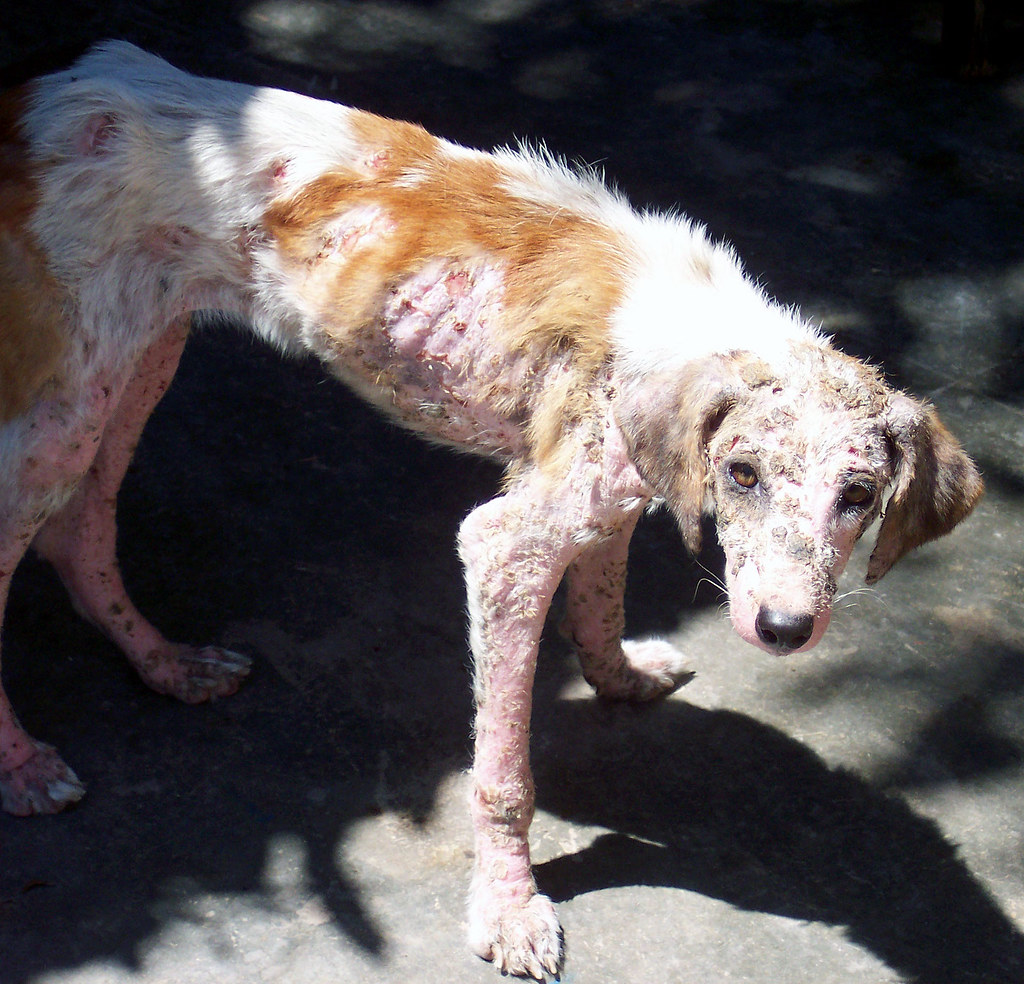
Not all dogs show signs of sarcoptic mange mites. But usually, the animal will get really itchy all of a sudden. The itching is probably caused by the mites’ droppings. At first, the affected skin will break out in small, solid bumps. The dog will scratch or bite itself to stop itching. This can damage the bumps and the skin around them, and cause thick, crusted sores. Secondly, yeast or bacteria can get into the damaged skin. The sores usually appear first on the abdomen, chest, ears, elbows and legs. If the mange is not spotted and treated, the sores can spread all over the body. Dogs with long-term, recurring mange develop oily dandruff, their skin becomes very thick, wrinkly and crusty, and they get sores that leak or weep. Dogs affected by this can become very thin and even die.
“Scabies incognito” is a term used to describe cases of mange that are difficult to diagnose. If a dog is regularly washed and has a nice, clean coat, it can be hard to spot mites, even if the dog seems to have them. The other typical signs of mange (crusts and scales on the skin) are removed by regular bathing.
If your pet is showing signs of mange, your vet will check them over and may take skin scrapings or a stool sample. Some clinics might also use a blood test to diagnose mange. If mites are not found, but the signs are highly suggestive of mange, then it is worth trying out the treatment. Mange is very infectious and can spread easily between animals of different species and even to humans. So, you should ask your vet how to stop your pet from getting mange.
Treatment should include all dogs and other animals that have been in contact with one another. You might need to trim the hair. The crusts and dirt should be removed by soaking with a medicated shampoo that treats seborrheic dermatitis, and an anti-mite dip should be applied. Lime-sulfur is very good and safe for young animals. You might need to do this a few times. There are other options, like medicines you take inside or on the skin. Some medicines used to treat internal parasites can also be used to prevent heartworm. So, your vet might test your dog for heartworms before giving them a medicine to treat the parasites. You might also need treatment for secondary infections.
Ear Mites (Otodectic Mange)
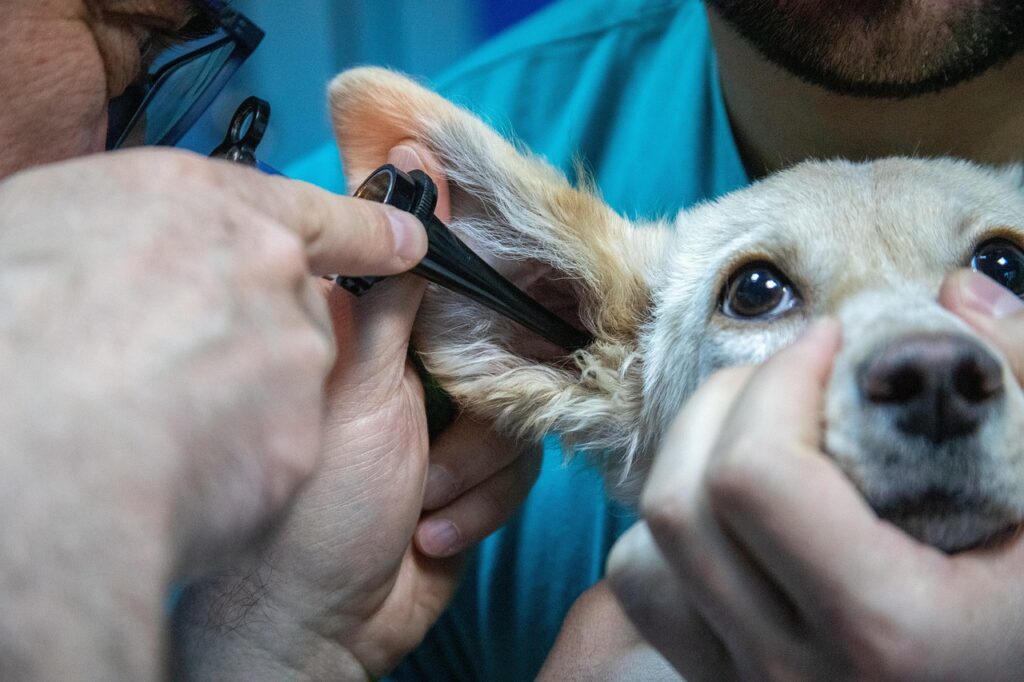
This type of mange is caused by mites called Otodectes cynotis. These mites often infest the outside of the ear, causing swelling of the ear canal in dogs and especially in cats. Ear mites are usually found deep in the outer ear, but they can also be seen on the body. The infested animal will shake its head and scratch its ears. Dogs with normally upright ears can sometimes have drooping ears. The itching can be more or less intense. In more serious cases, the outer ear can get inflamed and produce pus, and the eardrum can be torn. If your dog has ear mites, you should treat them with a product designed to kill parasites. You can put this product directly into your dog’s ears or apply it all over their body. Your vet will tell you what to do to treat your cat’s ear infection, including which medicines to use and how to clean your cat’s ears. Animals that have contact with infected dogs should also be treated.
Walking Dandruff (Cheyletiellosis)
Cheyletiella yasguri mites are the cause of “walking dandruff” in dogs. (The dandruff that looks like it is “walking” is actually the mites moving about on the dog’s skin.) These mites usually stay on their preferred hosts, but they can infect all kinds of animals. Walking dandruff is very contagious, especially in kennels, catteries, or homes with more than one pet. Using insecticides regularly to kill fleas can also sometimes get rid of mites that cause walking dandruff. These mites can also infest humans. Mites that cause dandruff spend their whole life cycle (which is 3 weeks) on the host but can also live for up to 10 days outside the body.
Scaling of the skin and infestation along the back are common signs of walking dandruff. Many cats will scratch a lot because of the itch, but some cats don’t scratch at all. Pets that show no signs can carry the mites and pass them on to other pets and humans.
To diagnose a pet with Cheyletiellosis, the vet will look at the animal’s skin and take skin and hair samples. These are then examined under a microscope to see if they contain mites. It can be tricky to spot the mites and eggs, especially on animals that are washed frequently.
Vets often give prescriptions for creams or treatments that kill the mites all over the body. It’s also important to treat the pet’s environment, like bedding and carpets, to get rid of mites. You need to treat kennels and other places where lots of pets live with chemicals to kill insects if you don’t want them to have mites.
If you have pets with these mites, you should speak to your doctor about medicines and other ways to treat the infestation. These mites can easily spread from pets to owners.

Canine Demodicosis
The tiny bugs that cause canine demodicosis live in small numbers in the hair follicles and sebaceous glands of all dogs. This is normal and there are no signs of disease. But some dogs have lots of Demodex canis mites for reasons that are not fully understood. This can lead to swelling and hair loss. Some dogs are more likely to get this condition because of their genes. It is thought that this may be because the immune system does not respond well to these mites.
There are two types of canine demodicosis: localised (limited to a small area) and generalised (found on the entire body). Localized demodicosis is usually seen in dogs less than 1 year old. Affected dogs will have 1 to 5 small, separate areas that are usually hairless, red and scaly. Itching is mild or not present. In some cases of localised demodicosis, the condition can spread to affect the whole body, but most cases get better without treatment.
The more common form of demodicosis can affect young dogs (juvenile-onset) or adults (adult-onset). Affected dogs have severe disease with widespread skin inflammation. Juvenile-onset generalized demodicosis is the result of an inherited immune system defect. However, adult-onset generalized demodicosis is often linked to another disease that has made the immune system weaker (such as cancer, Cushing disease, hypothyroidism, or diabetes). Both types of generalized demodicosis can cause hair loss, red skin, swollen skin, darkening of the skin, raised lumps that look like acne, and scabs. Secondary bacterial infections (pyodemodicosis) are common. Many dogs with this skin condition also have inflamed foot pads. Other signs to look out for include swollen lymph nodes, tiredness, fever, and pus-filled skin sores.
A doctor usually looks at skin samples under a microscope in a lab to confirm a diagnosis of demodicosis. Your vet will also want to test your dog for other infections or diseases that may have made its immune system weaker.
Localised demodicosis often gets better on its own. Generalized demodicosis is a serious disease that needs medical treatment. The outlook for these cases is uncertain. Medicated shampoos and dips are often used to treat demodicosis. You might need to take prescription medication to kill the mites. If there are secondary bacterial infections, antibiotics may also be prescribed. Skin scrapings are taken every month to check the number of mites on the dog.
If your dog has demodicosis, it can take months to treat. You must continue the prescribed antiparasitic treatment until you have had two negative skin scrapings in a row, taken at monthly intervals. Some dogs may need several months of treatment. It is not unusual for the cancer to come back within the first year of treatment.
Dogs with demodicosis can be passed on to their puppies, so it’s best not to breed from them.
Trombiculosis
Trombiculosis is a type of mange caused by the larval stage of mites from the family Trombiculidae (chiggers). Adults and nymphs (young insects) look like tiny spiders and live on rotting material. Dogs pick up the larvae by lying on the ground or walking in the right kind of habitat.
The larvae latch on to the host, eat for a few days, and leave when they are full. They are easy to spot as small, orange-red, oval marks that stay still. You usually find these on the head, ears, feet or belly. Some signs you might see are redness, bumps, hair loss and crusts. The itching can carry on even after the larvae have left the animal. The diagnosis is based on the patient’s symptoms and medical history. Your vet will want to make sure it’s not caused by something else, like an allergy. We can confirm the diagnosis by carefully examining the affected areas. We might also look at skin scrapings under a microscope. This is to see if there are any six-legged mite larvae.
Treatment for dogs and other pets with this condition is similar to the treatment for mange. The medicines that kill these mites on your pet may be different from those prescribed for other types of mites. Follow your vet’s treatment plan. If the itching has been really bad or lasted for a long time, your vet might give you antibiotics or other medicines to stop you from getting other infections from scratching and biting.
It’s often hard to stop the bugs coming back. The best approach, if you can, is to keep pets away from areas where mites are found.