

The reason for the toxicity of garlic and onions (Allium spp.) for animals
Allium spp include garlic, onions, chives, and leeks, although garlic and onions are most commonly associated with poisoning. Garlic is 3–5 times more poisonous than onion.
Cats are the most at-risk species, followed by dogs. Toxicosis (a disease caused by eating poisonous things) in these species is most commonly associated with ingesting concentrated forms of Allium, such as dehydrated flakes, powders, or dry onion soup mixes. However, some cats have been sick after eating less than a teaspoon of cooked onions or 5 g/kg of raw onions. If a dog eats 15–30 grams of raw onion per kilogram of its body weight, it will show signs of illness.

Clinical manifestations of poisoning
The signs of a toxicity from Allium plants are usually only noticed after some of the red blood cells have been destroyed, which normally happens a few days after contact. Symptoms include tiredness, loss of appetite, fast breathing, fast heartbeat, weakness, difficulty exercising, yellowing of the skin, haemoglobinuria, collapse and death.
Treatment for poisoning
If they have recently eaten or drunk something, it is recommended that they be treated for gastrointestinal decontamination. One of the following drugs should be given to cause vomiting:
Ropinirole is for dogs only. It is given in the conjunctival sac (the part of the eye that is joined to the ear) and is 2.7–5.4 mg/m2. This is given again 20 minutes later.
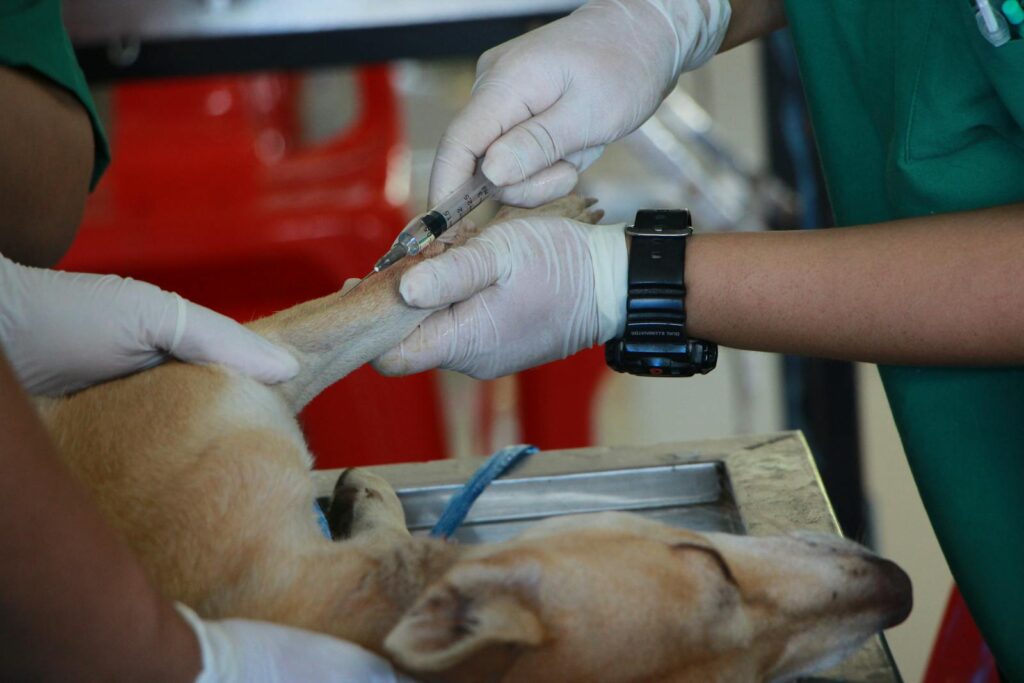
The medicine apomorphine is given to dogs by injection into a muscle (IM), into a vein (IV), or into the eye (SC). Now, IV is the preferred option because it is faster.
Dogs should be given 3% hydrogen peroxide (1–2 mL per kilogram of body weight) by mouth. The maximum dose is 45 mL.
Dexmedetomidine is given to cats as a shot. The dose is between 7 and 40 micrograms per kilogram of body weight, either as a 3.5 microgram shot into a vein or as an injection into the muscle.
Note: If you want to make a dog vomit, you should use drugs that are licensed for use in dogs. This is better than using other drugs that are not licensed for this purpose.
You might want to consider giving activated charcoal to dogs and cats if they have been exposed to Allium, but it is not known whether it stops the body from making chemicals called sulfides that are found in Allium.
Summary
- If cats, dogs or animals that produce food eat onions or garlic that are raw, cooked or in a strong concentrate, it can cause a type of anemia called Heinz body hemolytic anemia.
- Heinz bodies and methemoglobin levels can increase within 24 hours of eating Allium plants, but it can take several days for the clinical signs of anaemia to appear.
- Treatment involves getting rid of the infection quickly, managing a type of anemia, and giving fluids through a drip.